Making Tax Digital for Income Tax
Posted 10 months ago by Alison
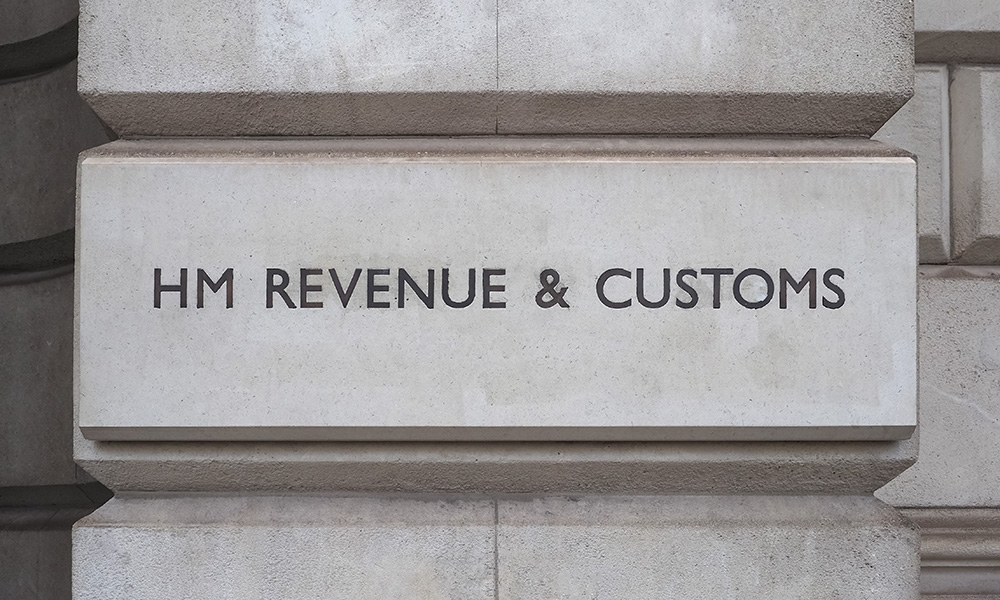
The UK government rolled out its making Tax Digital plans for VAT in 2019. This is now being extended to Income Tax, with changes beginning in April 2026. So, what does this latest step mean, who will it affect, and how can those impacted make sure they comply?
What is Making Tax Digital for Income Tax?
Making Tax Digital for Income Tax is a new way for businesses, the self-employed, and those earning income from property to report their income. Put simply, it requires businesses and landlords with qualifying income to maintain digital records and update HMRC each quarter using compatible software.
The UK government says the move will make it easier for everyone to get tax right while helping to close the tax gap - the amount of tax that is due but goes unpaid. Businesses could also benefit from improved productivity and better financial insight. Using software to maintain digital records and submit quarterly financial updates reduces the potential for errors and the time spent correcting them. In addition, as records are maintained throughout the year, submitting end-of-year tax returns should be less onerous, and overall, less time should be spent on paperwork if all records are digital. HMRC also says this will enable them to better tailor services to customers.
Importantly, businesses could gain more insight into their financial situation by gaining greater visibility into cash flow and taxes, which could help with planning for growth or identifying areas of concern. And, with the right accounting software, the quarterly updates will be completed in a matter of clicks, so it shouldn't put any additional pressure on small businesses.
Read more: Making Tax Digital - What The New Rules Mean For You
Who will need to use Making Tax Digital for Income Tax?
Making Tax Digital for Income Tax is being introduced in phases from April 2026. The specifics on when it will apply depend on qualifying income within a tax year. For sole traders or landlords registered for self-assessment and who receive qualifying income of more than £50,000 from self-employment or property in the 2024-2025 tax year, MTD for Income Tax will come into effect from 6 April 2026. Those registering a qualifying income of over £30,000 for the 2025-2026 tax year will need to use it from 6 April 2027.
The government has also announced plans to lower the qualifying income threshold thereby affecting those earning more than £20,000 for the 2026-2027 tax year, with effect from April 2028. HMRC is still refining the plans, and more details are expected in April 2026.
Business partnerships will also need to use Making Tax Digital for Income Tax in the future, but a timeline for this is yet to be set.
Over time, the new system will replace the traditional self-assessment system, which is based on submitting an annual tax return. It, however, doesn't change the rules of income tax. Allowable expenses, personal tax allowances, National Insurance contributions and so on, all remain the same; it's simply the requirements and processes around reporting information to HMRC that will change.
Read more: Making Tax Digital - What Your Small Business Needs to Know
What is qualifying income?
Qualifying income is the total income received in a tax year from self-employment and property. All other sources of income reported through self-assessment, such as employment (PAYE), a partnership, or dividends, do not count towards the qualifying income.
HMRC will assess gross income before expenses are deducted to identify the qualifying income, using information from the previous year's self-assessment. Anyone affected by the change will be contacted by HMRC.
How do I prepare for MTD for Income Tax?
With just a few months to go until MTD for Income Tax kicks in, it's essential that those affected are prepared.
For those already using accounting software, now is the time to check that it is set to be compliant by the deadline. If not, it will likely be worth switching to another product to avoid keeping two sets of records on two different platforms.
Once any decisions around software have been made, the next step is to connect your software with HMRC. This must be done through the software, not directly. This will require having information to hand, including:
- National Insurance number
- Business start date or the date you started receiving property income (if this is within the last two tax years)
- Accounting method such as cash basis accounting or traditional accounting The tax year from which Making Tax Digital for Income Tax will apply
Sole traders will also need:
- Business name
- Business address
- The nature of the business
Be aware that those with multiple income sources, such as being self employed and also receiving rental income, will need to sign up each one for Making Tax Digital for Income Tax.
Tax agents can also sign up on behalf of their clients. HMRC recommends signing up before the deadline to be ready for the changes.
It is also possible to sign up voluntarily, even if the current criteria do not apply. To do this, applicants must be UK residents with a National Insurance number, have their personal details up to date with HMRC, and have submitted at least one self-assessment tax return.
Read more: Making Tax Digital for VAT - What Types of Software Are Out There?
Key MTD for Income Tax dates and deadlines
For those who will be affected by the initial move to MTD for Income Tax, there are several important dates to bear in mind.
- 31 January 2026: Deadline to submit a self-assessment tax return for 2024 to 2025
- 6 April 2026: Deadline to start keeping records using MTD for Income Tax software
- 7 August 2026: Deadline to send first quarterly update
- 7 November 2026: Deadline to send second quarterly update
- 31 January 2027: Deadline to submit a self-assessment tax return the usual way for 2025 to 2026
- 7 February 2027: Deadline to send third quarterly update
- 7 May 2027: Deadline to send fourth quarterly update
- 31 January 2028: Deadline to submit tax returns straight from MTD for Income Tax software for 2026 to 2027
Income tax payments are not affected by Making Tax Digital, so the payment dates remain the same as under traditional self-assessment. This means payments will be due on 31 January and 31 July each year for those within the payments-on-account system.
Who is exempt from Making Tax Digital for Income Tax?
While the qualifying criteria for MTD for Income Tax are clear, there are a few exemptions it's worth being aware of. As mentioned, currently, there is no set date for those earning £20,000 or less to use the new system. In addition, those deemed digitally excluded - that is those for whom it is not reasonable to use compatible software to keep digital records - may also not need to use Making Tax Digital. This could be due to health conditions, being in a location without internet access, or being part of a religious society or order that is incompatible with digital communications or the keeping of digital records. In this case an exemption will need to be applied for.
There are also scenarios in which an automatic exemption will apply, including for those completing a tax return as a trustee, including a charitable trustee or a trustee of non-registered pension schemes; people who do not have a National Insurance number on 31 January before the start of that tax year; those completing any tax return as a personal representative of someone who has died; and non-resident companies. In these scenarios, it is not necessary to apply for an exemption.
Digital requirements
Maintaining digital records is a key pillar of Making Tax Digital for Income Tax, which means those affected must meet a number of requirements. This includes signing up for accounting software that is compliant with MTD for IT. There's a tool on www.gov.uk to help identify suitable options. HMRC itself will not be developing its own software for this.
As Making Tax Digital for VAT has been in operation for some years now, many people will already be using software that meets the new requirements. The biggest change will affect those who don't currently keep digital records, as they will need to find a solution that meets their needs and budget. Being aware of the key features that will help to make the transition as smooth as possible is important here. For example, a system that links to bank accounts and automatically downloads transactions can save time, while automatic updates are much easier than having to manually check and install them. Responsive customer service also shouldn't be underestimated - having free, unlimited support can make a huge difference when filing deadlines are looming.
For anyone still relying on spreadsheets, It's also possible to opt for bridging software that will link records to HMRC’s computer systems and submit the required quarterly update information. This could be suitable for those with less complicated affairs. However, while the record-keeping system should automatically generate quarterly updates when using a full software product, this is unlikely to be the case with bridging software. In addition, Making Tax Digital for Income Tax includes rules on digital linking, which means manually copying and pasting from one place to another is generally prohibited, a rule that maintaining spreadsheets could break. For this reason, bridging software should be seen as a temporary measure at best.
In addition to the quarterly updates, it will also be necessary to provide a digital tax return of all income no later than 31 January following the end of the tax year and make any necessary adjustments to the quarterly data that has been submitted. Again, this can be done using compliant software.
Read more: The best Making Tax Digital software
Making Tax Digital Compatible Software
Making Tax Digital software will create the original digital records of business activity (such as sales, purchases and any accounting adjustments), generate HMRC updates and electronically submit them. AccountsPortal continues to work closely with HMRC and is listed as a recognised software supplier supporting Making Tax Digital for VAT. It will also be fully compliant with Making Tax Digital for Income Tax well before the deadline.
While any change can be met with trepidation and confusion, Making Tax Digital for Income Tax could bring real benefits for businesses and reduce the stress associated with filing tax returns. The key is to find accounting software that meets these new needs and to be prepared.
Further Reading
AccountsPortal Approved by HMRC for Making Tax Digital for Income Tax for Sole Traders and Landlords
Making Tax Digital: New rules come into force on 1 April 2022